Blackstock Road rubbish clearance case study before and after
Posted on 08/07/2026

If you have ever walked past a cluttered front garden, an overfilled hallway, or a flat that feels stuck in limbo, you already know why a Blackstock Road rubbish clearance case study before and after is more than a nice transformation story. It is a practical look at what changes when rubbish is removed properly: space returns, stress drops, and the property feels usable again. In a busy North London setting like Blackstock Road, that shift can be immediate and surprisingly dramatic.
This article breaks down what a before-and-after clearance usually involves, why it matters, and how to plan it well without turning a simple job into a messy one. You will also find a step-by-step approach, common mistakes, a clear comparison table, and a realistic example of how a clearance can change the feel of a home or business premises. Let's face it, nobody wants to spend a weekend shuffling old boxes from one corner to another.
Why Blackstock Road rubbish clearance case study before and after Matters
A good before-and-after case study does something a generic service page cannot do. It shows the actual impact of rubbish clearance in a real setting: not just how much waste leaves the property, but how the whole space changes once the clutter is gone. That matters on Blackstock Road because properties there tend to be used intensely. Flats get renovated, rooms are converted, gardens become storage zones, and households often need fast, tidy clearance between moves, lets, or building works.
When the clearance is done well, the result is visible straight away. Hallways open up. Access improves. Natural light reaches further into a room. The smell of damp cardboard or old fabric disappears. And yes, that matters to buyers, tenants, neighbours, and even to you if you are simply trying to breathe easier in your own home.
There is also a trust element. Before-and-after content helps readers judge whether a rubbish removal company understands the job properly. Do they sort, lift, load, and dispose in a tidy way? Do they leave the property swept through, not just emptied? Those details are small, but they are often the difference between "job done" and "that was handled properly".
For related local context, you may also find it useful to read about what locals say about living in Highbury and how the wider area balances busy streets, homes, and practical day-to-day maintenance.
How Blackstock Road rubbish clearance case study before and after Works
A proper rubbish clearance case study usually follows a simple arc: assess, clear, sort, and present the result. The "before" part is not just a photo. It is a baseline. It tells you what the space looked like, what was blocking access, and what type of waste was involved. The "after" part shows the practical outcome, which is often cleaner than people expect. Sometimes much cleaner. Almost oddly satisfying, to be fair.
In real-world jobs, rubbish clearance on a road like Blackstock Road often includes mixed household waste, bulky items, broken furniture, old appliances, builders' offcuts, bagged junk, garden debris, or office leftovers. The method changes depending on the load. Light junk can be moved quickly. Heavy or awkward items need more care. If there are stairs, tight entrances, shared hallways, or parking limitations, the plan needs adjusting before the first bag moves.
The key operational principle is simple: remove only what is agreed, do it safely, and leave the area presentable. The best clearances are boring in the best possible way. No drama. No surprise piles left behind. No cracked skirting board because someone rushed through a narrow landing.
If your clearance relates to a property sale, letting change, or a broader improvement plan, it can help to understand the bigger local picture too. Articles like Highbury purchase and sale insights and the Highbury investment guide show why presentation and first impressions matter so much in this part of London.
Key Benefits and Practical Advantages
The obvious benefit is space. The less obvious benefit is momentum. Once clutter is removed, people tend to tackle the next job sooner. Paint gets opened. Floors get cleaned. A room gets repurposed. The property stops feeling stuck. That can be especially useful if the space is tied to a sale, tenancy change, refurbishment, or inherited property.
Here are the benefits that matter most in practice:
- Better access: hallways, entrances, gardens, and storage areas become usable again.
- Cleaner presentation: the property looks cared for, which matters to visitors and potential buyers.
- Reduced trip hazards: less clutter usually means fewer awkward corners and safer movement.
- Faster follow-on work: decorators, cleaners, and trades can start without obstruction.
- Less mental friction: a clear space often feels calmer. Not magic, just real life.
- Improved waste handling: sorted removal supports reuse and recycling where possible.
There is also a practical cost benefit when the job is planned well. A clear scope avoids overpaying for unnecessary labour or extra vehicle space. If you want to think about pricing sensibly, the page on pricing and quotes is the kind of resource that helps readers understand what usually affects the final figure.
For sustainability-minded readers, it is worth considering how items are handled after collection. Not everything should be treated as generic waste. For some loads, a more careful sort can divert reusable or recyclable material away from disposal. You can read more about that approach in recycling and sustainability.
Who This Is For and When It Makes Sense
This type of clearance is not just for one kind of customer. In practice, it suits a wide range of people and situations:
- Homeowners dealing with a cluttered flat, loft, shed, or garden
- Landlords preparing between tenancies
- Sellers who need a property to present cleanly for viewings
- Buyers who inherit a space full of unwanted items
- Small businesses clearing stock, fixtures, or archive waste
- Builders or renovators needing post-project waste removed
It makes sense when the cost of doing it yourself is higher than the value you get from your time and energy. That sounds blunt, but it is often the truth. If you would need multiple trips, a hired van, physical lifting, and a weekend lost to tip runs, the "cheap" option can quickly become the expensive one.
It also makes sense when the job is awkward. Bulky sofas, damaged wardrobes, bags of mixed rubbish, old carpet, or broken appliances are not fun to wrestle down stairs in the rain. One damp Tuesday afternoon is enough to cure most people of the DIY idea.
If the clearance is part of a wider property project, related pages like builders waste disposal in Highbury and house clearance support can help you think about the right type of service for the job, rather than choosing on guesswork.
Step-by-Step Guidance
Here is a practical way to approach a Blackstock Road clearance without making it harder than it needs to be.
- Walk the space slowly. Note what is going, what is staying, and what might need special handling.
- Separate categories. Put bulky furniture, bagged rubbish, recyclables, and reusable items into rough groups.
- Clear access first. If the hallway or entrance is blocked, fix that before worrying about smaller items.
- Identify risks. Look out for sharp edges, heavy appliances, damp materials, or broken glass.
- Decide what needs urgent removal. Anything blocking a room, doorway, or work area should go first.
- Choose a service based on volume and access. A job on a tight stairwell is very different from a ground-floor clear-out.
- Confirm what happens after collection. Ask how items are sorted, loaded, and handled once taken away.
- Do a final sweep. The after picture should show a space, not just an absence of rubbish.
A good before-and-after result often comes from small decisions made early. For example, if you pull out the contents of a storage cupboard before the clearance day, you can avoid paying for extra time while someone sorts through it on site. A tiny action. Big difference.
If you want to prepare more intelligently, the page on service options and overview is useful for understanding how different clearance needs are usually grouped.
Expert Tips for Better Results
After enough clearances, you start seeing the same pattern. The jobs that go smoothly usually have three things in common: clarity, access, and prioritisation. Not glamourous, but very effective.
Tip 1: Photograph the space before you move anything. This helps with planning, avoids disputes about scope, and gives you a true before image for comparison. It is especially useful in rental or probate situations.
Tip 2: Keep one small "decision area". Set aside one corner for items that need a second look. That stops the whole property from becoming a half-cleared mess. And yes, half-cleared messes are somehow more annoying than the original mess.
Tip 3: Be realistic about what can stay. If an item is damaged, damp, or missing parts, it may not be worth holding on to "just in case". The just-in-case pile is where many clearances quietly go wrong.
Tip 4: Match the method to the waste. Garden cuttings, builders' rubble, and domestic clutter are not the same thing. For green material, you may want to review garden waste removal in Highbury. For office contents, the more suitable route may be office clearance.
Tip 5: Leave space for the "after". If a room will be repainted, photographed, or re-let, the clearing should anticipate that next stage. Clearance is not the finish line. It is the reset.
Common Mistakes to Avoid
People usually do not struggle because they are careless. They struggle because they underestimate the job. That is a very human mistake. Here are the most common problems:
- Not measuring the waste volume properly: a few bags can turn into a van-load faster than expected.
- Forgetting access issues: narrow stairs, basement steps, shared entrances, or poor parking can change the job completely.
- Mixing keep and remove piles: once the piles blur together, mistakes happen.
- Leaving sorting until the last minute: this slows everything down and can increase stress.
- Choosing a provider only on price: hidden extras and poor handling can wipe out any savings.
- Ignoring disposal standards: if waste is not handled properly, the cheapest option becomes the worst value.
One particularly common issue is hidden charges. If a quote sounds too low to be true, it often is. Extra lifting time, tricky access, mattress fees, and unspecified disposal costs can all creep in. For a closer look at that problem, the guide on avoiding hidden rubbish charges is worth a read.
Another local concern is bulky waste. A lot of people assume any large item can be dumped cheaply or handled later. That is not always practical. For a useful local angle, see bulky waste rules for N5 homes.
Tools, Resources and Recommendations
You do not need a warehouse full of tools to prepare a clearance, but a few simple items make the process much smoother:
- Strong sacks or boxes for sorting smaller items
- Permanent marker labels for keep, remove, donate, recycle
- Gloves for handling dust, broken edges, or rough materials
- A tape measure if you are checking whether large furniture needs dismantling
- Basic cleaning supplies for the final sweep
- Phone camera for before-and-after documentation
In terms of service selection, think in terms of fit rather than flashy promises. A reputable clearance provider should be able to explain how they handle access, lifting, loading, sorting, and site tidying. They should also be clear about payment and conditions. That is just sensible.
If you want reassurance on operational standards and customer trust, a few pages can help set expectations: insurance and safety, payment and security, and terms and conditions. They are not glamorous reads, granted, but they matter when you are deciding who to let on site.
Law, Compliance, Standards, or Best Practice
Clearance work in the UK should be approached with proper care around waste handling, safety, and duty of care. You do not need to memorise legislation to make a good decision, but you should expect a provider to handle waste responsibly and to be transparent about what happens to collected items.
In plain English, best practice usually means this:
- Waste is removed safely without causing damage or injury
- Items are sorted where possible for reuse, recycling, or disposal
- Hazardous or awkward materials are handled with caution
- Access and site conditions are considered before the job starts
- Pricing and scope are made clear in advance
If a property contains anything unusual, such as sharp materials, heavy debris, contaminated waste, or items left behind after works, it is wise to flag that early. Surprises on the day are where good plans start wobbling.
For readers who want a broader sense of how a responsible local operator thinks about procedures and obligations, the pages on about us and modern slavery statement can add context around business standards and supply-chain expectations.
Options, Methods, or Comparison Table
There is no single best method for every clearance. The right choice depends on volume, access, time pressure, and the kind of waste involved. Here is a simple comparison to make the decision easier.
| Method | Best for | Strengths | Watch-outs |
|---|---|---|---|
| DIY removal | Very small loads, flexible timing | Can feel cheaper at first, full control | Time-consuming, lifting risk, transport hassle |
| Partial clearance | Rooms with mixed keep/remove items | Focused, more targeted, less wasteful | Needs careful sorting before the day |
| Full property clearance | Moves, probate, end-of-tenancy, complete reset | Fast, thorough, simpler for large jobs | Requires clear instructions and access planning |
| Specialised waste removal | Garden debris, builders' rubble, office contents | Better matched to the material type | Needs accurate description of the load |
In a lot of Blackstock Road situations, the most efficient route is a blended one: sort what can be kept, remove what cannot, and leave the property ready for the next step. That might be cleaning, decorating, selling, or simply enjoying the extra space. Simple, really. Harder than it sounds, but simple.
Case Study or Real-World Example
Below is a realistic example of how a clearance can look from start to finish. It is not a claim about a specific named customer, just a practical illustration based on common work patterns in the area.
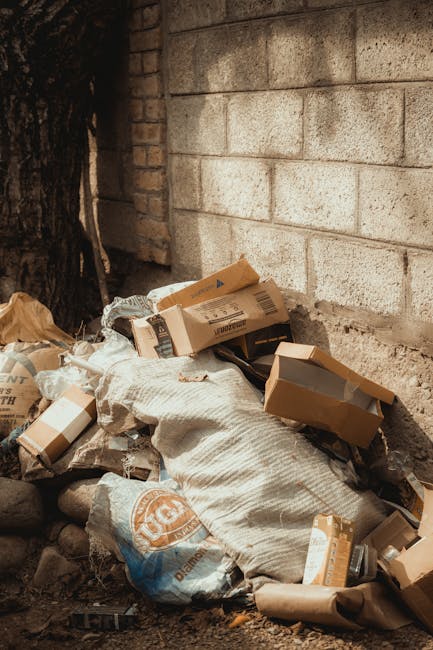
Before: a Blackstock Road flat had become overloaded over several months. One bedroom was partly used for storage, the hallway held a broken wardrobe and several bagged items, and the kitchen had an old appliance plus loose packaging from a recent delivery. Access to the rear of the property was awkward because boxes had started creeping into the route. The whole place felt smaller than it really was.
What was done: the items were split into reusable, recyclable, and disposal categories. Heavy furniture was moved carefully, bagged clutter was gathered first, and the route through the property was kept clear so the work could progress without constant backtracking. The final sweep made sure there was no stray debris near the entrance or under furniture that stayed.
After: the hallway looked wider immediately. The bedroom became usable again instead of functioning as a storage overflow. Light came through more cleanly. The kitchen felt like a kitchen again, not a holding bay for odd bits and pieces. Most importantly, the space became ready for the next job, whatever that happened to be.
This is why before-and-after examples are so useful. They show that clearance is not just removal. It is preparation. It is the point where a property stops resisting progress.
A reader planning a move or sale may also appreciate the local property angle in Highbury real estate purchase and sale, because presentation and tidiness tend to influence how a place feels the moment someone walks in.
Practical Checklist
Use this quick checklist before booking or starting a clearance:
- Identify all items to be removed
- Separate anything you want to keep
- Measure large furniture and note stairs or narrow access
- Decide whether the load is domestic, garden, builders', or office-related
- Take before photos for reference
- Check whether you need a same-day or scheduled visit
- Ask how tidy the property will be left after collection
- Confirm pricing, payment method, and terms in advance
- Flag fragile, heavy, or unusual items early
- Plan what happens immediately after the clearance, such as cleaning or repairs
If you work through that list properly, most of the stress disappears before the team even arrives. Honestly, that is half the battle.
Conclusion
A strong Blackstock Road rubbish clearance case study before and after is really a story about reclaiming space with minimal fuss. The "before" shows the problem clearly. The "after" shows what careful planning, safe lifting, and responsible disposal can achieve. For homeowners, landlords, buyers, and businesses, that change can be immediate and genuinely useful.
The biggest lesson is not complicated: clear the right things, in the right order, with the right method. Do that, and the result is usually cleaner, safer, and easier than you expected. And if the job feels bigger than a Saturday morning tidy-up, that is probably because it is. No shame in that.
Get a free quote today and see how much you can save.
Sometimes the best part of a clearance is not the van leaving. It is the quiet moment after, when the room finally feels like itself again.

 Tipper Van - Rubbish Collection and Garden Waste Disposal Prices in Highbury, N5
 Luton Van - Rubbish Collection and Garden Waste Disposal Prices in Highbury, N5