Highbury council bulky waste rules explained for N5 homes
Posted on 06/06/2026
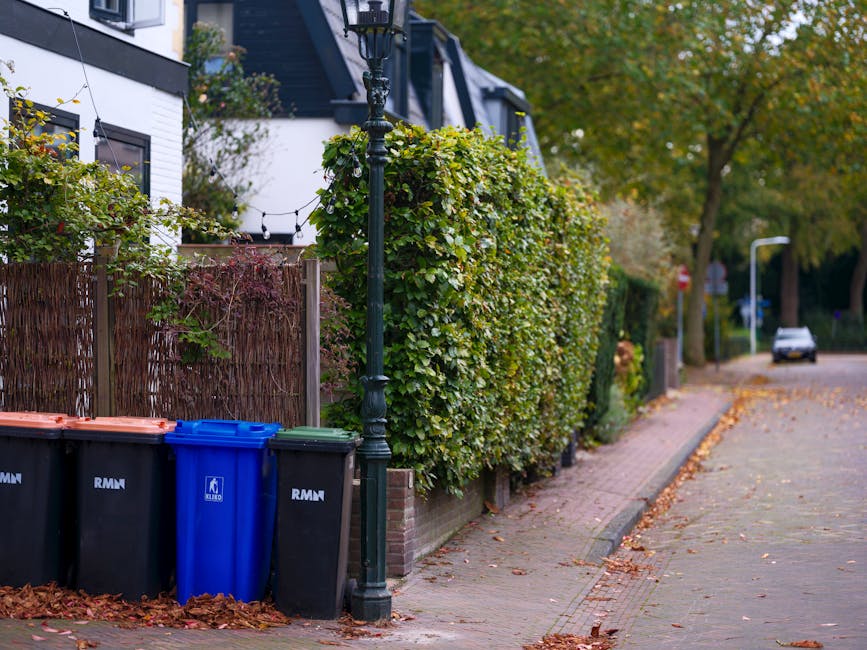
If you live in N5 and you're staring at an old sofa, a broken wardrobe, or a mattress that has somehow become part of the hallway scenery, you're not alone. Bulky waste has a habit of piling up quietly, then suddenly becoming urgent when you need space back fast. This guide breaks down Highbury council bulky waste rules explained for N5 homes in plain English, so you can understand what counts as bulky waste, what usually trips people up, and what your sensible options are when the item is too large for ordinary bins.
Whether you're moving out, clearing a flat after a tenancy change, or just trying to reclaim a spare room that has become a storage unit, the rules matter. They affect what can be collected, how it should be presented, and what happens if you get it wrong. Let's face it: the last thing anyone wants is a rejected collection or a pile of furniture sitting outside on a wet Highbury morning.
Why Highbury council bulky waste rules explained for N5 homes Matters
Bulky waste rules are not just admin. They affect safety, kerbside access, neighbour relations, and sometimes even your wallet. In a place like Highbury, where many homes are flats, conversions, and tighter terraced streets, the practical side of disposal matters more than people expect.
For N5 residents, bulky items often need a little more planning because access can be awkward. Basement flats, stairwells, narrow entrances, parking pressure, and shared entrances all make a simple "just leave it outside" approach risky. A sofa that blocks the pavement for a few hours might be inconvenient. A sofa left where it shouldn't be can become a complaint, a missed collection, or a safety issue.
There's also a broader point. Responsible bulky waste handling helps reduce fly-tipping and improves recycling outcomes. If you want to keep things simple, legal, and neighbour-friendly, you need to know the rules before the item comes down the stairs. Highbury has enough of its own daily bustle without a mattress becoming part of the streetscape.
People often search this topic because they want a straight answer: what can I get rid of, how do I book it, and what should I avoid? That's exactly what this article is for. If you also need help with broader clear-outs, the local services overview is a useful place to understand how different waste jobs are usually handled in practice.
How Highbury council bulky waste rules explained for N5 homes Works
At a practical level, bulky waste collection usually means arranging for large household items that do not fit in normal bins to be removed separately. Think furniture, white goods, or awkward household clutter that cannot be handled through standard weekly collections. The exact acceptance rules and booking process can vary, so it is always worth checking the current local arrangements before you put anything out.
Most bulky waste systems follow the same broad pattern:
- Identify the item correctly. Is it furniture, an appliance, a mattress, or something else?
- Check whether it is accepted. Some items may need special handling because of weight, contamination, or safety concerns.
- Book the collection or choose an alternative. If an item is not suitable for the council route, a private waste collection may be more practical.
- Prepare the item for removal. This usually means making it accessible, safe, and ready for uplift.
- Present it correctly. Timing and placement matter. A lot, actually.
In many N5 homes, the hardest part is not deciding what to throw away. It is moving the item safely from a top-floor flat or a narrow front room to a place where it can be collected without causing a bottleneck. That is where a little planning saves a lot of stress.
If you are dealing with mixed household waste rather than one or two bulky pieces, it may make more sense to look at a broader waste removal option in Highbury. That can be more practical than trying to split everything into separate trips.
What usually counts as bulky waste
Common bulky items include:
- sofas and armchairs
- beds, mattresses, and headboards
- wardrobes, chests of drawers, and shelving units
- tables and chairs
- large appliances such as washing machines or fridges, where accepted
- carpets or underlay, depending on the service rules
It is worth remembering that "bulky" does not mean "anything too annoying to carry." Items still need to be suitable for the collection route you use. A damaged item wrapped in leftover renovation debris may be treated differently from a standalone sofa. Small distinction, big difference.
What often needs special attention
- items containing hazardous materials
- sharp or broken goods
- heavy construction leftovers
- items infested with pests or heavily contaminated
- electrical items with unusual components
For anything beyond simple household furniture, it is safer to assume there may be extra conditions. If the rubbish comes from a renovation or property improvement project, a specialist route may be more appropriate. For that sort of job, some N5 homeowners use builders waste disposal in Highbury rather than trying to push it through a standard bulky item collection.
Key Benefits and Practical Advantages
Following the right bulky waste process is not glamorous, but it does make life easier. Quite a bit easier, really. The biggest advantage is avoiding preventable delays. If you know how the system works, you can time your clearance around a move, a refurbishment, or a tenancy handover without last-minute panic.
Here are the practical upsides for N5 homes:
- Cleaner access: fewer items left in hallways, gardens, or shared entrance areas
- Lower risk of rejection: correctly prepared items are less likely to be refused
- Better recycling potential: usable materials can be sorted more effectively when they are separated properly
- Less disruption to neighbours: especially useful in managed blocks and shared stairwells
- More predictable timing: helpful for moving day or end-of-tenancy deadlines
There is also a mental benefit that is easy to underestimate. Once the old sofa or broken bed frame is gone, the room feels different. Lighter. You notice the floorboards again, the echo in the room, the odd patch of afternoon sun. That sounds dramatic for a bit of rubbish, but anyone who has done a proper clear-out knows the feeling.
If you are combining bulky waste with a fuller home clearance, you may want to compare that approach with a dedicated house clearance service in Highbury. For some homes, that is the smoother route.
Who This Is For and When It Makes Sense
This guidance is especially useful for N5 residents who are dealing with one or more of the following situations:
- moving into or out of a flat
- clearing out a spare room, loft, or storage cupboard
- replacing old furniture after redecorating
- disposing of damaged white goods
- handling an end-of-tenancy clean-up
- preparing a property for sale or letting
- managing garden waste mixed with household junk
It also makes sense for landlords and managing agents. In Highbury, turnover can be fairly quick in some properties, and when a tenant leaves furniture behind, the clock starts ticking. If you have ever stood in a doorway looking at an abandoned wardrobe and thought, "well, that's inconvenient," you already know why planning matters.
Sometimes bulky waste is the wrong tool for the job. For example, if you are clearing an office, the needs are a little different. Filing cabinets, desks, chairs, and IT equipment often fit better under a dedicated office clearance approach. Matching the service to the waste saves time and reduces confusion.
Step-by-Step Guidance
Here is the simplest way to handle bulky waste in an N5 home without turning it into an all-day headache.
1. Sort the items first
Do a quick sweep of the item(s) you want removed. Separate furniture, electrical items, and anything that is damaged beyond normal use. If you can, remove loose contents from drawers, cupboards, and shelves before collection day. One forgotten stack of books can be surprisingly heavy.
2. Check access from the room to the street
This is where Highbury homes can be fiddly. Measure doorways if needed. Check for tight corners. Make sure stairs are clear. If you are in a flat, think about lift access, shared corridors, and whether you need help from another person to move the item safely.
3. Confirm the acceptable item type
Do not assume every large object will be accepted in the same way. Sofas are usually more straightforward than broken appliances or mixed loads. A wet mattress, paint tins hidden inside a cupboard, or a dismantled bed with screws strewn everywhere can create problems. If the item is unusual, ask before you move it.
4. Prepare the item for collection
Make it safe and visible. Tie down loose parts. Tape sharp edges if needed. Keep pathways clear. If items are being collected from outside, place them exactly where instructed and not halfway across a pavement. That sounds obvious, but a surprising number of collections go sideways because the placement is a bit "near enough."
5. Use the right route for the scale of waste
If it is one couch and a mattress, a standard bulky collection route may be enough. If you are clearing a whole flat after a move, a mixed load, or a lot of old furniture, a more general rubbish collection in Highbury can be more efficient.
6. Keep proof and confirmation
Always keep the booking details, any confirmation message, and the time window. If you are managing a property, this is especially useful when tenants, agents, and contractors are all involved. It avoids the classic "I thought you were doing it" moment. Which, to be fair, nobody enjoys.
Expert Tips for Better Results
Here are the practical habits that make bulky waste removal smoother in real life, not just on paper.
- Group similar items together. If you have several large pieces, keep them in one area so nothing gets missed.
- Disassemble where appropriate. Flat-pack furniture, bed frames, and some shelving can be easier to move once broken down.
- Protect shared spaces. In communal buildings, avoid scratching walls or blocking fire exits while carrying items out.
- Think about weather. Rain can make cardboard and fabric items heavier, messier, and harder to handle. A damp morning in N5 changes everything a bit.
- Separate reusable items. If something is still in fair condition, consider whether it could be passed on rather than disposed of.
- Match the service to the job. Bulk item collection is not always the best fit for mixed household clutter, garden cuttings, or renovation debris.
One small but useful trick: take a photo of the items before booking. It helps you remember exactly what needs removing, especially if the job stretches over a few days or the pile grows. And somehow it often does.
If sustainability matters to you, it is worth choosing a provider that explains how it sorts and handles waste. You can explore the site's wider approach via its recycling and sustainability information, which is a sensible read for anyone who wants to dispose of things responsibly rather than just quickly.
Common Mistakes to Avoid
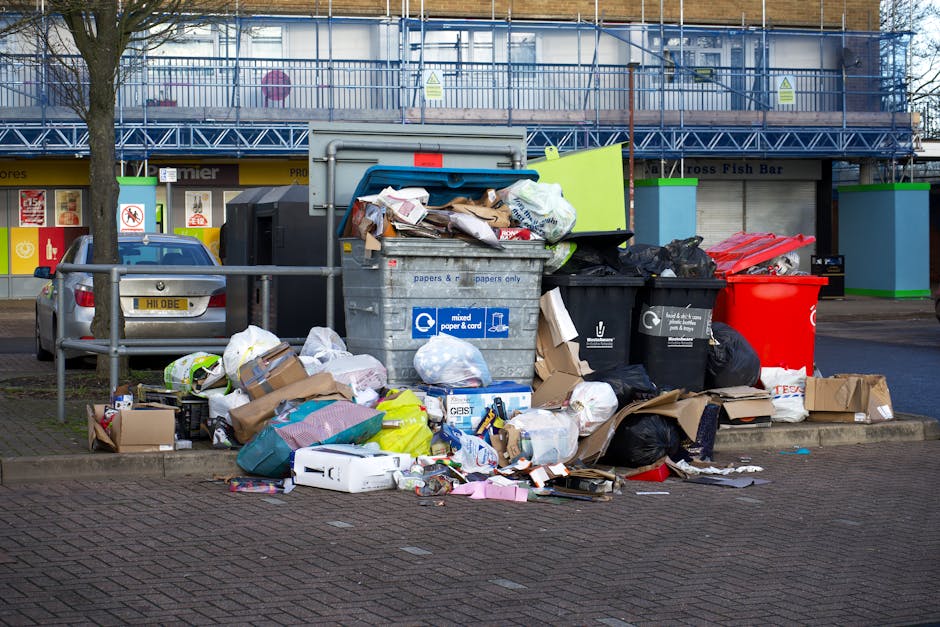
A lot of bulky waste problems come from the same few mistakes. The good news is they are easy to avoid once you know them.
Leaving items out without checking the rules
This is the classic one. People assume that because an item is outside, it will be collected. Sometimes it won't be, and then you are left with clutter, a complaint, or a repeat effort.
Mixing bulky waste with general rubbish
Bulky waste and loose rubbish are not always handled the same way. If you put small bags, broken bits, and large furniture together, the load can become non-compliant or difficult to process.
Forgetting about access
A big item can be accepted on paper but impossible in practice if there is no safe route out of the building. In Highbury, this is especially common in maisonettes and converted houses.
Assuming all electrical items are the same
Washing machines, fridges, and other appliances may need careful handling because of weight, drainage, or internal components. Do not just drag them down the stairs and hope for the best. That is how ankles get sore and walls get chipped.
Waiting until the last minute
If you are moving out, trying to sell a property, or preparing a tenancy inventory, leave time for disposal. Last-minute bulky waste removal usually creates extra stress and fewer options.
Tools, Resources and Recommendations
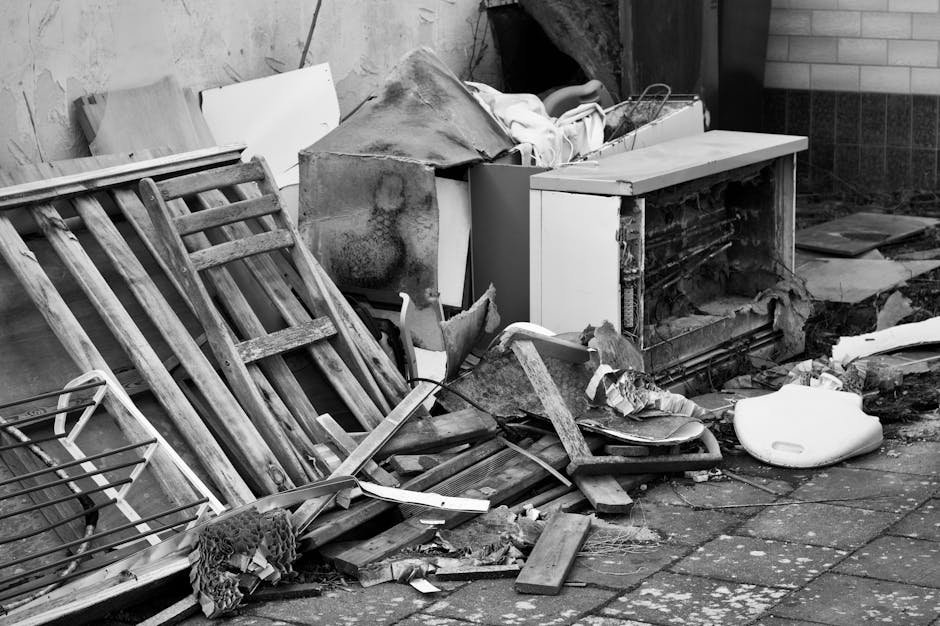
You do not need specialist equipment for every bulky waste job, but a few simple tools can make the process safer and quicker.
| Item or tool | Why it helps | Best for |
|---|---|---|
| Measuring tape | Checks whether large furniture fits through doors and corridors | Flats, conversions, awkward staircases |
| Strong gloves | Protects hands from splinters, dust, and sharp edges | General household clearance |
| Storage bags or boxes | Keeps loose contents from spilling during movement | Drawers, shelves, cupboards |
| Blankets or protective wraps | Helps prevent damage to hallways and doors | Furniture moving in shared buildings |
| Booking confirmation | Reduces confusion on collection day | Any scheduled disposal |
For residents who would rather have the whole job handled in one go, a professionally managed waste service can be a better fit than trying to separate every item yourself. If you are comparing options, the pricing and quotes page is useful for understanding how jobs are usually assessed.
And if you are dealing with a more urgent situation, such as a same-week move or a cluttered flat that needs clearing before guests arrive, the page on same-day rubbish removal in Highbury may help you judge whether speed is realistically available for your situation.
Law, Compliance, Standards, or Best Practice
Without getting too legal about it, the important thing is this: household waste should be handled responsibly, safely, and in line with the relevant local rules and accepted UK waste practice. That means using an approved route for disposal, making sure items are presented correctly, and avoiding anything that could create a nuisance or a hazard.
For N5 homes, compliance often comes down to a few simple principles:
- do not block pavements, fire exits, or shared access routes
- do not leave waste where it can be blown around or tampered with
- do not mix prohibited materials into a standard load
- do not assume a collection will happen unless it has been properly arranged
- do keep records if you are responsible for a property, tenancy, or managed building
For landlords and property sellers, this can matter more than expected. A messy clearance can complicate viewings, delay handovers, or leave a poor impression. If you are preparing a home for market, some practical guidance from the local property side can be helpful too, such as Highbury real estate purchase and sale advice or the broader Highbury investment guide if you are thinking in terms of long-term property value.
Best practice is simple: be clear, be tidy, and be realistic about what needs professional help. If a job feels like it is getting too big for a normal household uplift, that is usually because it is.
Options, Methods, or Comparison Table
Not every bulky waste job needs the same solution. The best method depends on the item type, urgency, access, and how much you need removed.
| Method | Best for | Pros | Trade-offs |
|---|---|---|---|
| Local bulky waste collection | One-off large household items | Simple for straightforward jobs, often convenient | May have item restrictions and timing constraints |
| Private rubbish collection | Mixed items, awkward access, faster turnaround | Flexible, often easier for flats and busy households | Costs vary depending on load size and access |
| House clearance service | Whole-room or whole-property clear-outs | Efficient for larger jobs, reduces stress | May be more than you need for one item |
| Specialist builders waste disposal | Renovation debris and heavier materials | More suitable for trade or refurb work | Not the right route for standard furniture |
For garden-related clearances, the waste stream can be different again. Green waste, branches, soil, and soil-contaminated materials often call for a more suitable route such as garden waste removal in Highbury. That saves a lot of sorting later.
Case Study or Real-World Example
A fairly typical N5 scenario goes like this. A couple in a first-floor flat in Highbury decides to replace a battered sofa, a broken coffee table, and an old mattress before guests arrive for the weekend. Straightforward enough, on paper.
But then the practical bits appear. The sofa is wider than the hallway turn. The mattress needs to come through a shared entrance. The coffee table has loose glass panels. By Thursday evening, the living room looks tidy, but the hallway is a minor obstacle course. They could leave everything outside and hope for the best. Instead, they separate the items, check access, clear the route, and arrange the most suitable collection option for the load.
What changed? Not the waste itself. The planning.
By Friday afternoon, the flat feels calmer. You know that feeling when the room suddenly sounds different because the big, awkward object is gone? A bit quieter, a bit brighter. The couple also avoided a last-minute scramble and didn't have to ask a neighbour for a favour they'd rather not owe back later. Simple, but effective.
If that kind of situation sounds familiar, you are exactly the kind of person this topic is meant for. Not a massive commercial clearance, not a one-bag job. Just a normal household clear-out that needs the right route.
Practical Checklist
Use this before you arrange bulky waste removal from an N5 home.
- Identify every bulky item clearly
- Check whether any item needs special handling
- Measure access routes if the item is large
- Remove loose contents from drawers and cupboards
- Separate reusable items from true waste
- Keep sharp edges and broken parts safe
- Confirm booking details and collection timing
- Make sure the collection point is accessible
- Avoid mixing in rubbish that does not belong
- Keep a record if you are responsible for a tenancy or property clearance
Quick summary: the smoother the prep, the easier the collection. In most N5 homes, bulky waste problems are less about the item itself and more about access, timing, and presenting it properly.
Conclusion
Bulky waste removal in Highbury is one of those tasks that sounds simple until you are standing in a narrow hallway with a wardrobe that definitely seemed smaller in the bedroom. Once you understand the rules, though, the process becomes much less stressful. The key is to match the waste type to the right removal method, prepare the item properly, and avoid assuming that every large object can be handled in exactly the same way.
For many N5 homes, a careful plan saves time, reduces hassle, and keeps shared spaces clear and tidy. That matters whether you are moving, refurbishing, renting out a property, or just trying to get your living room back. If you take one thing from this guide, let it be this: a few minutes of planning can prevent a whole day of irritation. And that is never a bad trade.
If you want a simple next step, review your items, compare the disposal route that fits best, and choose the option that will get the job done cleanly and safely.
Get a free quote today and see how much you can save.
Sometimes the best home improvement is just getting the old stuff out the door.
 Tipper Van - Rubbish Collection and Garden Waste Disposal Prices in Highbury, N5
 Luton Van - Rubbish Collection and Garden Waste Disposal Prices in Highbury, N5