Highbury narrow access charges for waste removal and costs
Posted on 22/10/2026

If you are trying to arrange rubbish removal in Highbury and the access is tight, awkward, or downright frustrating, you are not alone. Basement steps, narrow side passages, shared hallways, parked cars, and front doors that barely open all affect Highbury narrow access charges for waste removal and costs. The tricky part is that these situations are often obvious to residents, but not always obvious in a standard quote.
This guide breaks the topic down in plain English: what narrow access means, why it changes pricing, how crews usually assess it, and what you can do to keep costs sensible. We will also cover mistakes to avoid, practical planning tips, and the small details that tend to separate a smooth collection from a messy one. Truth be told, those small details can make a big difference.
Whether you are clearing a flat off Highbury Fields, dealing with builders' debris after a renovation, or just trying to get rid of a heavy item without waking half the building, the aim here is simple: help you understand the real-world cost picture before you book.
Why Highbury narrow access charges for waste removal and costs Matters
Narrow access changes the job. That is the plain answer. In a place like Highbury, where streets, terraces, mews-style layouts, basement flats, and shared entrances can all create awkward loading conditions, waste removal is rarely just a matter of turning up and lifting a bag into a van. If the team cannot park close by, cannot safely wheel a trolley through, or has to carry items further than usual, the labour, time, and risk go up.
And once those factors go up, so does the final price. Not always dramatically, but enough to matter. A straightforward collection from the kerb is not the same as carrying a fridge down two flights of stairs and out through a tight communal hallway. Let's face it, that extra effort has to be paid for somehow.
What makes this topic especially important is that narrow access charges are not always presented clearly. Some providers build them into the quote after asking a few questions. Others only confirm the final figure after seeing the property. If you do not understand how access affects the cost, the quote can feel a bit mysterious. Worse still, you can end up comparing prices that are not really comparable.
There is also a practical side to it. Narrow access can increase the chance of delays, extra handling, parking issues, or damage if the job is rushed. In Highbury, where you may be dealing with permit parking, tight pavements, busy roads, and neighbours who are not thrilled by blocked entrances, a well-planned collection is worth more than the cheapest number on screen.
Key point: narrow access does not just affect convenience; it affects labour, logistics, safety, and the time needed to complete the collection properly.
How Highbury narrow access charges for waste removal and costs Works
Most waste removal companies price a job by volume, type of waste, labour required, and access conditions. When access is straightforward, the team can move quickly and keep handling time low. When access is narrow, the pricing model usually changes because the job becomes slower and more physically demanding.
In practice, this can show up in a few different ways:
- Extra labour time: items may need to be carried further or moved in stages.
- Manual handling effort: bulky items such as wardrobes, mattresses, desks, or appliances take longer in tight spaces.
- Parking and loading limits: if the vehicle cannot park close, staff spend more time walking back and forth.
- Access risk: narrow stairwells, shared corridors, and low ceilings raise the chance of bumps, scrapes, and delays.
- Sorting constraints: waste may need to be broken down before removal to fit through the route.
Many customers first notice the issue when they request a quote for the same volume of waste as a neighbour, only to find their price is higher. Usually, that difference is not random. One property may have ground-floor access and a direct loading area; another may require a crew to carry everything through a long hallway, down a staircase, and round a corner so tight you have to turn sideways. You can probably picture it already.
Some providers ask for photos, floor level, postcode, item list, and notes about access before they confirm pricing. That is sensible, because a quick phone description can miss the main problem. A narrow alley or a shared entrance that looks manageable on paper may be awkward in real life.
In a well-run quote process, the company should consider more than just the rubbish itself. They should ask where the waste is located, whether there is lift access, whether parking is available, and whether items can be staged outside safely. If they do not ask those questions, be cautious. The quote may be too neat.
Key Benefits and Practical Advantages
It may sound odd to talk about benefits when the topic is a surcharge, but understanding narrow access pricing has real advantages. Once you know what drives the cost, you can plan better and avoid those last-minute surprises that make the whole thing feel more expensive than it should.
The most obvious benefit is clearer budgeting. If you know the access is tight, you can ask for a quote that reflects the actual job rather than hoping it will all work out on the day. That matters for homeowners, landlords, tenants, letting agents, shop owners, and builders alike.
There is also a big time-saving benefit. A properly planned collection is less likely to stall at the front door while someone figures out where the van can stop or whether the sofa will fit through the stairwell. A few minutes of preparation can save a fair bit of hassle.
Other practical advantages include:
- Less risk of hidden fees: the access issue is addressed upfront.
- Better crew safety: fewer awkward lifts and rushed manoeuvres.
- Lower chance of damage: walls, banisters, floors, and doors are easier to protect when the route is planned.
- More efficient removal: sorting and staging waste before collection keeps the job moving.
- Better service match: you can choose a provider with the right vehicle and manpower.
For many Highbury properties, especially flats and converted buildings, the best value is not the cheapest quote but the quote that actually reflects the access reality. To be fair, that is often the quote that ends up being the cheapest overall because it avoids add-ons and repeat visits.
Expert summary: the real value in narrow access pricing is not the surcharge itself; it is the accuracy it brings to the quote, the planning it encourages, and the headache it helps you avoid.
Who This Is For and When It Makes Sense
This topic matters to a wide range of people, but some situations come up again and again in Highbury.
Flat owners and tenants often need waste removed from upper floors, basement levels, or shared hallways. If the building has no lift, or the lift is too small for bulky items, access charges are more likely.
Landlords and letting agents may need to clear abandoned items quickly between tenancies. The pressure is usually on speed, but speed and awkward access do not always mix. A quick check on access can prevent a delayed turnaround.
Builders and renovators are another common group. Builders' waste can be heavy, dusty, and awkward, especially when the property fronts a narrow street or the skip cannot be placed nearby. In that case, a manual loading service may make more sense than trying to force a standard collection into a tight space. You can also look at builders' waste disposal in Highbury if the project involves renovation debris rather than mixed household rubbish.
Small businesses such as cafes, salons, studios, and shops may need waste taken out through rear lanes or narrow delivery routes. These jobs can be simple in principle but fiddly in practice, especially before opening hours when every minute counts. For that kind of setting, the right plan matters as much as the right vehicle.
Households clearing bulky items should also pay attention. Old wardrobes, white goods, exercise equipment, broken garden furniture, and similar pieces are often easy to underestimate. The item might look manageable in the room, then suddenly become awkward in the hallway. A classic little surprise. Not fun, but common.
If your property has any of the following, narrow access charges may be relevant:
- steep steps or split-level entrances
- shared stairwells
- limited parking outside
- rear access only
- narrow corridors or low ceilings
- items stored in a basement, loft, or outbuilding
- restricted loading times or access windows
Step-by-Step Guidance
If you want the clearest possible price, follow a simple process. It does not need to be complicated. In fact, the simpler you keep it, the better.
-
List exactly what needs removing.
Write down the items, rough size, and whether they are lightweight, bulky, or heavy. A mattress is not the same as a dismantled wardrobe, and a bag of paper is not the same as a broken appliance.
-
Measure the access points.
Check stair width, doorway width, hallway bends, and any tight turns. If you are unsure, take a quick photo from the front door to the collection point. It sounds basic, but it helps more than people expect.
-
Note parking and loading distance.
Can a van stop nearby, or will the crew need to park further away? Are there yellow lines, permit restrictions, or timed loading rules? A short walk is fine; a long carry changes the job.
-
Ask how the quote is priced.
Is it based on volume, weight, labour time, or access conditions? A transparent provider should explain whether the narrow access issue is already reflected in the price or only added if the route is worse than expected.
-
Clarify what happens on the day.
Ask whether the crew needs items ready at the entrance, whether they can dismantle items, and whether they can move waste from inside the property. That clarity saves time and awkward conversations when the van arrives.
-
Prepare the route.
Move loose items, open gates, make sure the hallway is clear, and protect delicate surfaces if needed. A few minutes of prep can reduce the risk of bumps and speed up the collection.
One small but useful point: if you suspect access will be difficult, say so early. People sometimes hold back that detail because they are worried it will raise the price. It probably will, yes, but the honest quote is still the better deal. Nobody wants the van arriving and discovering the route is a maze.
Expert Tips for Better Results
There are a few habits that consistently make narrow-access jobs smoother. They are not glamorous. They just work.
1. Send photos, not just descriptions. A photo of the entrance, stairwell, and the items themselves often tells the story better than three paragraphs of explanation. If you can include the parking view as well, even better.
2. Break down what you can safely dismantle. A flat-pack wardrobe that is already unscrewed is easier to move than a whole wardrobe. Same item, different effort. Huge difference in a tight hallway.
3. Group waste by type. Keep general rubbish, reusable items, garden waste, and heavier materials separate if possible. That helps the team plan loading order and disposal method more efficiently. If you have outdoor waste or light green waste, it may be useful to compare with garden waste removal in Highbury.
4. Ask about manpower and vehicle size. A smaller vehicle can sometimes be better in a narrow street, but if the crew is too small, the job may take longer. The right balance matters.
5. Think about timing. Early morning or quieter periods can make access easier in busy parts of Highbury. If cars are parked tightly by lunchtime, moving waste may become more awkward than it needed to be.
6. Be honest about awkward items. A fridge, treadmill, old safe, or heavy sofa is not a small detail. Mention it upfront. Nobody likes surprises on a staircase. Well, maybe except estate agents, and even then I am not convinced.
7. Ask what is included. Some quotes include labour, loading, disposal, and congestion-related handling. Others may separate those elements. Clarity is your friend here.
Small practical habits add up. That is the truth of it. The better the prep, the less likely you are to pay for confusion.

Common Mistakes to Avoid
Most cost problems around narrow access are not caused by the waste itself. They come from assumptions. A few common ones pop up again and again.
Assuming the access is "fine". Plenty of people think a narrow hallway will not matter because the items are not enormous. Then the crew arrives and discovers the sofa catches on the turn or the mattress cannot bend enough to pass the banister. Fine on paper. Less fine in real life.
Forgetting parking restrictions. In Highbury, parking can be a bigger issue than the waste. If the van cannot stop near the entrance, the collection may take longer and cost more. That extra walk matters.
Not mentioning upper floors or basements. It sounds obvious, but people do forget. A ground-floor quote is rarely the same as a fourth-floor walk-down with no lift.
Leaving everything until collection day. If waste is buried behind furniture or packed into multiple rooms, the crew may need extra time to reach it. The route matters. The route always matters.
Choosing the cheapest quote without checking access terms. A low price can look good until you realise it excludes difficult access, heavy items, or extra carrying distance. The cheapest headline figure is not always the cheapest actual job.
Trying to conceal access problems. This is the one that usually backfires. If a company arrives expecting easy access and finds the opposite, the job can become delayed, renegotiated, or rescheduled. Nobody enjoys that moment.
Not asking about what happens if access is impossible. It is sensible to know whether the provider will wait, adjust the quote, or leave and rebook. That sounds a bit dry, but it protects you from stress later.
Tools, Resources and Recommendations
You do not need specialist equipment to prepare for a narrow-access waste removal job, but a few simple tools and habits help a lot.
- Phone camera: take clear pictures of the route, entrance, and waste pile.
- Tape measure: useful for checking doors, stair gaps, and tight corners.
- Basic torch: especially handy for basements, lofts, or poorly lit hallways.
- Protective gloves: useful if you are moving loose items yourself before the crew arrives.
- Labels or markers: helpful for separating items you want removed from items staying behind.
On the service side, it can help to compare a few related pages on the site if your needs are broader than a single collection. For example, waste removal in Highbury is useful if you want a general overview, while rubbish collection in Highbury is a good starting point for standard clearances. If you are comparing broader service types, the services overview can help you understand the options.
For customers who are mainly worried about pricing clarity, the pricing and quotes page is a sensible next stop. And if you are trying to make sure your waste is handled responsibly, the recycling and sustainability page gives useful context on disposal approach and environmental standards.
One practical recommendation: keep a short message template ready when asking for quotes. Something like: "Two-bedroom flat, third floor, no lift, narrow stairwell, bulky sofa, two wardrobes, street parking limited." That one sentence can save a surprising amount of back-and-forth.
Law, Compliance, Standards, or Best Practice
When waste removal takes place in a narrow-access setting, compliance and best practice matter because the risk of damage or unsafe lifting increases. While the exact legal position will depend on the situation, there are a few sensible principles to keep in mind.
Duty of care matters. Waste should be handled and transferred responsibly, with a clear understanding of what is being collected and where it is going. In practical terms, that means you should use a provider that is transparent about disposal and can explain how the waste is managed.
Health and safety matter too. Tight staircases, heavy items, and awkward turns increase manual handling risks. A professional crew should work in a way that reduces strain, avoids rushing, and keeps access routes safe for residents and neighbours. If the building has communal areas, that becomes even more important.
Property care is part of best practice. Banisters, paintwork, flooring, and door frames are common contact points in narrow-access collections. Good crews plan for that. They may use more than one person on a lift, take items apart where sensible, or move slowly rather than forcing a fit.
Local parking and access rules should be respected. In London, that may mean paying attention to permit zones, loading restrictions, and pavement access. You do not need to know every technical detail yourself, but you should expect the provider to work within the rules rather than around them.
Be cautious about "too easy" promises. If a quote seems unrealistically low for a difficult route, ask what assumptions it is based on. It may be legitimate. Or it may be missing the awkward bits. Those awkward bits tend to show up later, as they always do.
Best practice, in short, is honest description, safe lifting, responsible disposal, and clear pricing. Simple enough, though not always easy.
Options, Methods, or Comparison Table
Choosing the right approach depends on what you need removed, how tight the access is, and whether speed or budget matters most. The table below compares common methods for Highbury collections with narrow access in mind.
| Option | Best for | Access suitability | Typical strengths | Possible drawbacks |
|---|---|---|---|---|
| Manual waste removal service | Flats, basements, shared stairwells, bulky items | Very good for tight access | No skip needed, crew handles loading, flexible on-site | May cost more if carrying distance is long |
| Standard rubbish collection | Smaller household clearances, general waste | Good if access is moderate | Simple booking, quick turnaround | Can become pricier if the route is awkward |
| Bulky item collection | Sofas, beds, appliances, single large items | Mixed, depends on stair width and handling | Good for one-off awkward pieces | May need extra labour for tight corridors |
| Project or builders' clearance | Renovation waste, mixed heavy debris | Often challenging | Useful for larger clean-outs and ongoing work | Access issues can increase cost and time |
| Skip-based approach | Properties with space for a skip and easy loading | Poor in narrow streets or permit-restricted locations | Good for high-volume projects | Needs space, permits, and convenient access |
For many Highbury properties, the manual collection route is simply the most realistic. A skip may sound straightforward, but if the street is narrow or parking is limited, it can become more of a headache than a solution. The best method is the one that matches the building, not just the waste.
Case Study or Real-World Example
Here is a realistic example, based on the kind of situation that comes up often in Highbury.
A resident in a converted flat wanted to clear a sofa, a broken chest of drawers, several bin bags, and a small desk. On first glance, it sounded like a standard collection. But the flat was on the third floor, the staircase was narrow, the building had no lift, and the van could not park directly outside because of street restrictions.
Once those details were shared, the quote changed. Not dramatically, but enough to reflect the extra time and carrying distance. The team planned for two people instead of one, arrived during a quieter parking window, and staged the larger items near the entrance before loading them into the vehicle. The job took longer than a ground-floor clearance would have, but it went smoothly and without damage.
What did the customer gain from being upfront? A realistic price, fewer delays, and no awkward last-minute argument about what "easy access" was supposed to mean. That is the whole point, really.
There was one small twist: the desk turned out to be heavier than expected because it had a metal frame hidden inside. Nothing dramatic, just one of those little moments that remind you why access planning and item descriptions matter. The crew managed it fine because the job had been properly scoped from the start.
This kind of case is typical of narrow-access jobs in Highbury. The issue is not that the waste is unusual. It is that the property layout changes the work.
Practical Checklist
Use this quick checklist before requesting a quote or booking a collection. It is simple, but it covers most of the things people forget.
- List every item that needs removing.
- Note which floor the waste is on.
- Check whether there is a lift and whether it is usable for bulky items.
- Measure the tightest doorway, corridor, or stair turn if needed.
- Check parking restrictions near the property.
- Take photos of the access route and the waste itself.
- Tell the provider about heavy, fragile, or awkward items.
- Ask whether labour and carrying distance are included in the price.
- Confirm whether items need to be ready at the front door or can be collected from inside.
- Clear the route as much as possible before the team arrives.
- Make sure communal areas are left tidy and safe.
- Double-check the collection time, especially if access depends on parking or building access windows.
If you do only two things, do these: share photos and be honest about the access. That alone will prevent most pricing surprises.
Get a free quote today and see how much you can save.
Conclusion
Highbury narrow access charges for waste removal and costs are really about one thing: matching the quote to the actual job. When access is tight, the provider has to factor in carrying distance, labour, parking, item size, and the time needed to work safely. That is why a clear description matters so much.
If you are planning a collection, do not treat access as a small detail. In many Highbury properties, it is the detail. Once you factor it in early, the whole process becomes easier to budget, easier to book, and far less stressful on the day. And honestly, that calm feeling when the job goes right? Worth a lot.
If you need a clearer idea of pricing, service type, or what your property might require, start with the information you have, share the awkward bits early, and ask for a quote that reflects the real layout. Simple, sensible, done.
There is plenty to juggle in a busy London day already. Waste removal should not be the thing that catches you out.
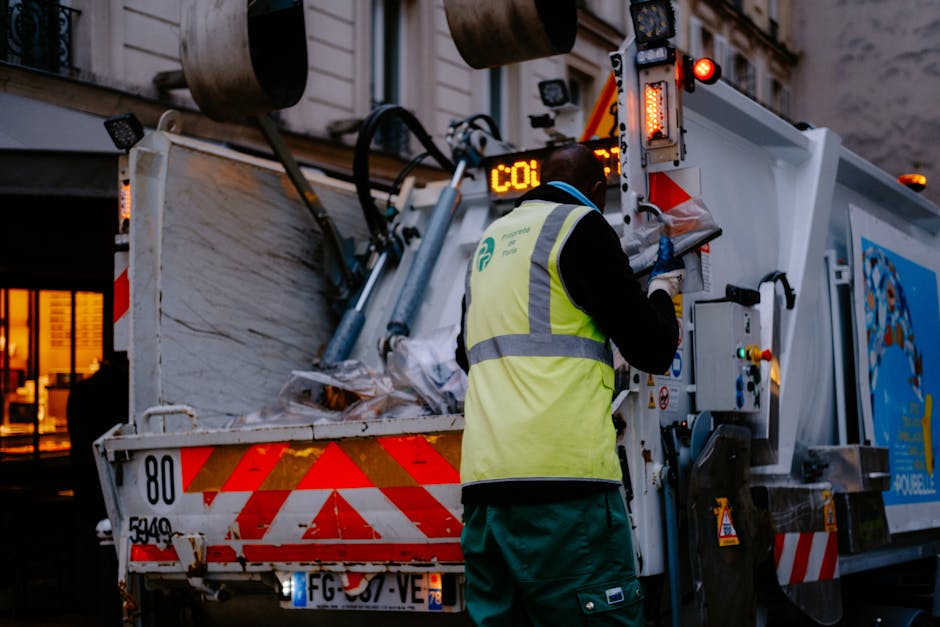
 Tipper Van - Rubbish Collection and Garden Waste Disposal Prices in Highbury, N5
 Luton Van - Rubbish Collection and Garden Waste Disposal Prices in Highbury, N5