Rubbish collection Highbury Fields N5 guide for residents
Posted on 01/05/2026
If you live near Highbury Fields, you already know the rhythm of the area: busy pavements in the morning, quieter side streets later on, and the occasional pile of flats moving in and out, gardens being trimmed, or a kitchen finally getting that long-overdue clear-out. That is where a practical Rubbish collection Highbury Fields N5 guide for residents really earns its keep. Not the glossy version. The useful one. The one that helps you get rid of waste without hassle, without missed collections, and without leaving bags sitting out longer than they should.
Whether you are clearing post-renovation debris, old furniture, garden cuttings, or simply the weekly overflow that never quite fits the bin, the goal is the same: a clean, manageable, compliant way to move waste on. This guide explains how rubbish collection works in the Highbury Fields N5 area, what residents should expect, and how to choose the right approach for your household. If you want to compare service options as you read, you can also browse the services overview and the dedicated rubbish collection in Highbury page for a broader view of what is available locally.
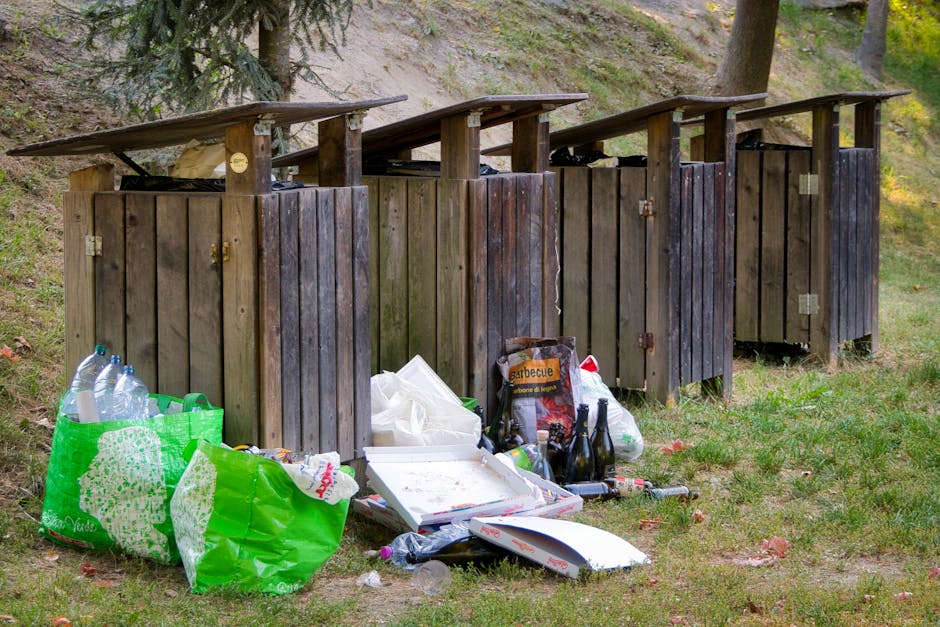
Why Rubbish collection Highbury Fields N5 guide for residents Matters
Rubbish collection sounds simple until you actually need it. Then the small stuff starts to matter: where the bags go, when heavy items can be moved, whether the waste is recyclable, and what happens if the council collection is delayed or too small for the job. In a dense part of North London like Highbury Fields, those details can affect your day more than you expect.
For residents, the issue is not just tidiness. It is about living comfortably in a shared urban space. Overflowing waste attracts flies, creates smells, gets in the way of neighbours, and can make a property look neglected. That is especially relevant around flats, converted buildings, mews homes, and busy residential streets where space is tight and everyone notices the bins. Truth be told, a single missed collection can feel bigger than it should when you are trying to get on with life.
This guide matters because it helps you make practical decisions. Do you need a standard household collection, a one-off removal, or help with bulky items? Should you separate recyclables first? Is there a better way to clear waste after decorating, gardening, or moving house? Those are the real questions. And they are easier to answer when you understand the options.
Expert summary: The best rubbish collection approach for Highbury Fields residents is usually the one that matches the type of waste, the access at your property, and the time you have available. Simple enough, but worth getting right.
How Rubbish collection Highbury Fields N5 guide for residents Works
There are generally two routes residents use. First, the regular local collection system for everyday household waste, recycling, and garden waste where applicable. Second, private or on-demand waste removal for larger, heavier, mixed, or time-sensitive loads. The right choice depends on volume, material type, and how quickly the waste needs to go.
For most homes, the process starts with sorting. That means separating general rubbish, recycling, food waste where relevant, and any items that need special handling. If you are dealing with household clutter or a small clear-out, standard bin use may be enough. If you are removing furniture, renovation waste, or a substantial amount of mixed rubbish, a one-off collection is often more practical.
Private rubbish collection usually works in a few clear steps: you describe the waste, get a price estimate, agree a collection time, and the team removes the items from the property or curbside. Some jobs are straightforward. Others take a bit more thought, especially if access is tight or the waste includes awkward materials. A lot of Highbury homes have this lovely character, but, let's face it, character can mean narrow hallways and stairs that were not designed for wardrobes the size of a small car.
If your waste is more specialised, such as trade debris or outdoor cuttings, it can be worth looking at related services like builders waste disposal in Highbury or garden waste removal in Highbury. Matching the service to the waste type usually saves time and reduces unnecessary handling.
Key Benefits and Practical Advantages
Good rubbish collection is not just about getting rid of things. It makes life easier in ways you notice almost immediately.
- More usable space: Rooms, hallways, basements, and gardens stop feeling cluttered.
- Less stress: You are not left wondering when or how the waste will move.
- Cleaner surroundings: Fewer smells, less mess, and a better impression for neighbours or visitors.
- Better recycling outcomes: Proper sorting can divert materials away from general waste.
- Safer access: Removing broken furniture, sharp edges, or stacked bags lowers trip hazards.
- Flexible timing: Useful when council collection days do not line up with your schedule.
There is also a practical financial angle, although it is easy to miss. If waste builds up, you may end up making repeated trips, hiring a vehicle, or paying for extra time on a project because the rubbish sits in the way. A well-timed collection can keep the whole job moving. That matters whether you are clearing a spare room, preparing a rental property, or finishing a renovation.
If your wider plans involve property changes, such as buying, selling, or upgrading a home, waste removal is often one of those behind-the-scenes tasks that makes the whole process feel calmer. Related reading like Highbury property purchase and sale insights or the Highbury investment guide can be useful if you are preparing a property for market.
Who This Is For and When It Makes Sense
This guide is mainly for residents, but that can mean quite a few different people.
- Long-term homeowners clearing accumulated household clutter.
- Renters moving out and needing to leave a property tidy.
- Landlords and letting agents dealing with left-behind items or end-of-tenancy waste.
- Families with bulky items, prams, toys, and the usual household overflow.
- People doing light renovations who need disposal of packaging, plasterboard offcuts, or broken fittings.
- Garden owners dealing with hedge trimmings, soil, and seasonal cutbacks.
It also makes sense if your schedule is tight. Maybe you work odd hours, or the waste has to be removed before visitors arrive, or you simply do not have the energy for a weekend of loading bags into a boot. Fair enough. Life is busy.
For larger or more complex clearances, residents often look at house clearance in Highbury or office clearance in Highbury if the project is part of a broader property clean-up. If you are unsure which route fits, start with the waste type rather than the size of the pile. That usually points you in the right direction faster.
Step-by-Step Guidance
If you want a smoother collection experience, a simple process works best. Nothing fancy. Just a bit of planning.
- Identify the waste type. Separate general rubbish, recycling, bulky items, garden waste, and any construction debris.
- Estimate the volume. Think in practical terms: a few bags, a van load, or a larger clearance. This helps with pricing and scheduling.
- Check access at the property. Note stairs, narrow hallways, parking limitations, and whether items need carrying from inside the home.
- Remove obvious hazards. Keep sharp objects, loose nails, broken glass, or leaking containers flagged and safely contained.
- Ask for a clear quote. Make sure you understand what is included: labour, loading, recycling, and disposal.
- Choose a convenient time slot. Early collections can be easier if you share entrances or want to avoid disruption.
- Prepare the items. Bag loose waste, stack furniture safely, and make the load easy to inspect.
- Confirm what happens next. Some services can load from inside, others may need curbside placement. Clarify this in advance.
A small amount of preparation can make a surprisingly big difference. I have seen a collection that should have taken ten minutes turn into a long, awkward shuffle because the items were spread across three rooms. Not dramatic. Just messy and slow. A bit of order helps everyone.
Expert Tips for Better Results
Here are the details that often make rubbish collection easier in Highbury Fields and similar parts of N5.
- Sort before you book: Mixed waste is fine in many cases, but pre-sorting recyclable items can reduce friction and improve efficiency.
- Keep heavier items accessible: If possible, place them near the front of the property or in one room to avoid extra carrying time.
- Bundle similar materials together: Cardboard with cardboard, green waste with green waste, furniture apart from loose rubbish.
- Be realistic about timing: If you are decluttering, allow a little extra time. Rushed clear-outs tend to create new piles. Funny how that happens.
- Ask about recycling handling: A reputable provider should be able to explain how recyclable materials are separated.
- Plan around neighbours: In shared buildings, a quiet, efficient slot is often worth more than you think.
If you are clearing after gardening, check whether the cuttings are dry, bagged, or mixed with soil. If you are dealing with renovation waste, know the difference between clean rubble, wood, metal, and plasterboard. Those distinctions matter because they affect how the waste is handled and where it can go. For sustainability-minded residents, the company's recycling and sustainability information is worth a look too.
And one more practical tip: keep your quote notes. Even a quick screenshot or email can save time later if you need to compare options or check what was agreed. Not glamorous, but handy.

Common Mistakes to Avoid
Most rubbish collection headaches are avoidable. The same few mistakes crop up again and again.
- Leaving sorting until the last minute: This usually leads to mixed waste and a harder job overall.
- Underestimating volume: That "one van load" sometimes turns into two. It happens.
- Forgetting access issues: Parking restrictions, stairwells, and narrow doorways can slow the work if they are not mentioned early.
- Mixing hazardous items with general rubbish: Paints, chemicals, batteries, and certain electricals may need separate handling.
- Choosing only on price: Cheapest is not always best if it leads to delays, poor communication, or unclear disposal practices.
- Not checking what is included: Loading, lifting, disposal, and recycling may not all be covered the same way.
A quiet mistake is assuming every rubbish job is the same. It is not. A few bags after a clear-out, a dismantled wardrobe, and a builder's rubble pile all need different handling. That is why a service designed for local conditions can feel so much easier to use.
Tools, Resources and Recommendations
You do not need a warehouse of kit to manage waste properly, but a few simple tools help.
- Heavy-duty bin bags: Better for general household rubbish and light clutter.
- Sturdy boxes or tubs: Useful for books, kitchenware, toys, and reusable items.
- Labels or marker pens: Handy when sorting recyclable material, donations, or items for disposal.
- Gloves: Basic but useful, especially for dusty lofts or garden waste.
- Measuring tape: Helps with bulky furniture, tight doorways, and stair turns.
- Phone photos: Very useful for quoting, especially if the waste is spread across several rooms.
For residents who want a broader sense of available support, the company's waste removal in Highbury page is a good companion resource. If you are getting to know the area better and want a local feel for the neighbourhood, the posts on what locals say about Highbury living and Highbury's local charms offer a nice bit of context too.
Sometimes the best tool is simply a calm, realistic plan. Start with the stuff that blocks movement or creates the most clutter. The rest becomes easier after that.
Law, Compliance, Standards, or Best Practice
Waste collection in the UK sits within a framework of legal duties and expected best practice, even when a job looks straightforward. Residents do not need to memorise legislation, but they should be aware of a few sensible principles.
Duty of care matters. In plain English, that means waste should be passed to a responsible carrier and handled in a way that avoids fly-tipping or unsafe disposal. If you use a private collection service, it is reasonable to ask how the waste will be managed and whether recyclable materials are separated where possible.
Hazardous or specialist items need extra care. Paint tins, solvents, gas bottles, certain electrical items, and similar materials should not be treated as ordinary household rubbish. If in doubt, ask before you book. Better to pause for a minute than create a messy problem later.
Neighbour and property considerations are also important. Bags left on shared pavements, blocked access, or waste stored in communal hallways can cause issues. In residential streets around Highbury Fields, a little consideration goes a long way. Good practice is usually simple: keep access clear, do not overfill containers, and avoid leaving waste out longer than necessary.
If payment, data, or safety questions matter to you, the site's payment and security, insurance and safety, and terms and conditions pages are sensible places to review before you book. That is just good housekeeping, really.
Options, Methods, or Comparison Table
Choosing the right waste solution is usually easier when you compare the main options side by side.
| Option | Best for | Strengths | Watch-outs |
|---|---|---|---|
| Regular council collection | Routine household waste and recycling | Simple, familiar, low effort for everyday disposal | Limited capacity; not ideal for bulky or urgent loads |
| Private rubbish collection | Mixed waste, bulky items, quick clear-outs | Flexible timing, hands-on loading, convenient for busy residents | Needs a clear quote and proper waste handling |
| Specialist collection | Builders waste, garden waste, or specific material types | Tailored handling, better suited to one category of waste | May require more detail when booking |
| DIY disposal | Small loads when you have transport and time | Complete control and sometimes cost-effective for tiny jobs | Time-consuming, physically tiring, and not always practical in N5 |
For many Highbury Fields residents, private collection is the middle ground that feels most sensible. Not as limited as routine bins, not as time-heavy as doing everything yourself. It fits real life better, especially if your day is already packed.
Case Study or Real-World Example
A typical Highbury Fields scenario goes like this. A resident is clearing out a two-bedroom flat after a long period of storing "maybe useful" things. You know the sort of thing: a broken lamp, two bags of old clothes, a wobbly shelf, packaging from deliveries, and a few bits that were meant for donation but never quite made it there.
At first glance, it does not look like much. Then the bags start growing. The hallway narrows. The spare room fills with items waiting to be sorted. By Sunday afternoon, the job feels larger than expected. That is usually the point where a clear collection plan saves the day.
In a case like this, the resident first separates donation items, recyclable cardboard, and general rubbish. Next, they group all bulky items into one room and take a quick set of photos. After that, they arrange a collection slot that suits building access and stair use. The actual removal is quicker because the load is ready. Less back-and-forth. Less stress. And the flat feels transformed by evening.
The point is not that every job needs a professional service. Sometimes it does, sometimes it doesn't. The point is that a little structure turns a messy clear-out into a manageable one. That is the difference people usually feel most.
Practical Checklist
Use this before arranging rubbish collection in Highbury Fields N5.
- Identify the exact waste type or mixture of waste.
- Separate recyclables, garden waste, and bulky items if possible.
- Check access, stairs, parking, and any communal entry restrictions.
- Take photos of the load for a faster quote.
- Ask whether loading from inside the property is included.
- Confirm if any items need special handling.
- Review pricing, payment, and collection terms before booking.
- Prepare the waste so it is safe and easy to collect.
- Keep pathways clear for residents and neighbours.
- Ask about recycling and disposal practices if that matters to you.
If you are dealing with a larger or more awkward job, a good starting point is to compare the main service pages and then move toward a quote. The pricing and quotes page is especially helpful if you want to understand how a booking may be priced before you commit.
Conclusion
Rubbish collection in Highbury Fields N5 works best when it is treated as part of normal home life, not an emergency chore. Once you know what you are clearing, how much of it there is, and what support you need, the whole process becomes much more straightforward. That is really the heart of this guide. Not perfection. Just clarity.
For residents, the smartest approach is usually the one that balances convenience, responsible disposal, and a realistic view of the job. Whether you are clearing a single bulky item or a full mixed load, a well-planned collection keeps your home, building, and street feeling calmer. And in a place like Highbury Fields, that calm is worth a lot.
Get a free quote today and see how much you can save.
For more about the team behind the service, you can also visit the about us page. A reliable service should feel easy to trust, easy to understand, and easy to work with. That, in the end, is what residents really want.
 Tipper Van - Rubbish Collection and Garden Waste Disposal Prices in Highbury, N5
 Luton Van - Rubbish Collection and Garden Waste Disposal Prices in Highbury, N5