Avoid hidden rubbish charges in Highbury what to watch for
Posted on 29/05/2026
Avoid hidden rubbish charges in Highbury: what to watch for
If you've ever booked a rubbish collection and then felt your stomach drop when the final bill arrived, you're not alone. Hidden rubbish charges can sneak in through vague quotes, extra labour costs, "restricted access" fees, and all sorts of add-ons that were never made obvious up front. In Highbury, where homes, flats, mews-style access, garden clearances, and busy streets can all complicate a job, knowing what to watch for can save you money and a fair bit of stress.
This guide is designed to help you spot the warning signs before you book. We'll break down how pricing usually works, which fees are normal, which ones deserve a raised eyebrow, and how to compare providers without getting lost in jargon. You'll also find a practical checklist, a comparison table, and a real-world example so you can make a confident decision - even if you're arranging a collection at short notice on a damp Tuesday morning.
Why Avoid hidden rubbish charges in Highbury what to watch for Matters
Rubbish removal sounds simple until the quote starts changing shape. One minute you're told a price for "a load of waste," the next minute you're paying more because the team had to walk it down stairs, move it from the back garden, or deal with heavier items than expected. Annoying? Absolutely. Avoidable? Often, yes.
In Highbury, hidden charges matter for a few very practical reasons. Local properties can be compact, parking can be tight, and access is not always straightforward. That doesn't automatically mean a provider should charge more - but it does mean the job needs to be described properly from the outset. Truth be told, many disputes start because the customer assumed "collection" included everything, while the company assumed a very specific set of conditions.
It also matters because waste disposal isn't just about clearing space. You want the work done safely, legally, and without last-minute surprises. A low headline price can look attractive, but if it excludes labour, loading time, sorting, or disposal of certain items, it may not be good value at all. For broader service context, you may also find the services overview useful, especially if you're comparing different types of clearance work.
And there's another angle: hidden charges often damage trust. Once a provider is vague about pricing, it's hard to feel relaxed about the rest of the job. No one wants to stand at the window at 8:15am watching a van arrive and wondering, "Right, what's this going to cost me now?"
How Avoid hidden rubbish charges in Highbury what to watch for Works
The phrase itself is a bit of a mouthful, but the idea is straightforward: you want to recognise the pricing model before you commit. Most rubbish collection services price jobs using one or more of these methods:
- Volume-based pricing - you pay for the amount of space your waste takes up in the vehicle.
- Item-based pricing - you pay per item or per category of item.
- Load-based or labour-based pricing - the price depends on the amount of work involved in lifting, carrying, and loading.
- Special handling pricing - certain materials, access conditions, or disposal requirements may cost more.
The problem starts when a quote looks inclusive but isn't. For example, a provider may advertise a standard clearance price, then add charges for stairs, parking delays, multiple trips, extra weight, same-day service, or "difficult access." Some of those charges can be legitimate if they were clearly explained. The issue is the lack of clarity.
Here's the simple version: a reliable quote should answer what is included, what is excluded, and what would cause the price to change. If you can't find those three things, be cautious.
When comparing options, it helps to look at the details on pricing and quotes rather than focusing only on the lowest headline number. A slightly higher quote that clearly includes loading, disposal, and reasonable access is often better than a cheap quote with five asterisks and a lot of fine print.
Key Benefits and Practical Advantages
Spotting hidden rubbish charges early doesn't just protect your wallet. It makes the whole process smoother. Here's what you gain when you take pricing seriously before booking.
- Better budget control - you know the likely total before the team arrives.
- Less stress on the day - no awkward price renegotiation at the kerb.
- Faster decisions - clear quotes make comparison much easier.
- Better service matching - you can choose the right option for a flat, house, office, garden, or builder's waste.
- Reduced dispute risk - everyone is working from the same expectations.
There's also a practical benefit that people overlook: transparency helps you decide whether you need a full clearance or a more targeted service. For instance, garden waste, builders' waste, office clearance, and house clearance all have different patterns of loading, sorting, and disposal. A quote that suits one job may be wrong for another. The service pages for garden waste removal in Highbury, builders' waste disposal, office clearance, and house clearance can help you narrow that down.
To be fair, the biggest advantage is peace of mind. If you know the price is properly explained, you can get on with your day - whether you're moving house, clearing a spare room, or trying to reclaim the corner of a shed that has slowly become a graveyard for broken chairs and plant pots.
Who This Is For and When It Makes Sense
This matters for almost anyone arranging waste removal in Highbury, but it is especially useful if your job has one or more of the following:
- stairs, narrow halls, or awkward access
- parked streets or limited loading space
- mixed waste types, including bulky or heavy items
- garden cuttings, soil, or damp material
- builder's rubble, timber, or renovation debris
- office furniture, files, or IT equipment
- short notice or same-day collection needs
If you live in a flat above ground level, run a small business, or are dealing with a property sale, you're even more likely to encounter pricing changes if the job is not described properly. For context on local moving and property turnover, some readers also like to browse Highbury property sale and purchase tips or the broader Highbury investment guide, especially when clearing a property before handover.
It also makes sense for landlords and managing agents. A rushed clearance after a tenant move-out can quickly turn into a more expensive job than expected if access, sorting, or extra labour aren't factored in. Same with shop or office downsizing. Hidden fees don't just sting the budget; they can throw off scheduling too.
Step-by-Step Guidance
If you want to avoid hidden rubbish charges in Highbury, a methodical approach works best. Nothing fancy. Just steady, sensible checking.
- List exactly what needs to go. Be specific. "Three broken wardrobes, one mattress, two black bags, and garden branches" is far better than "some rubbish."
- Take a few clear photos. Photos help providers judge volume and access. Include stairs, gates, side alleys, and parking if relevant.
- Ask what the quote includes. Loading, labour, disposal, travel, and VAT if applicable should all be clear.
- Ask what could change the price. A good provider will explain the triggers in plain language.
- Confirm access details. If the team has to carry waste from the back garden or down several floors, mention it early.
- Check whether any items are classed specially. Mattresses, fridges, electrical items, and heavy rubble can be handled differently.
- Put the key points in writing. Even a short confirmation message can help prevent misunderstandings later.
A useful habit is to ask, "Is this the total price I'll pay if the waste matches the description I've given?" That one question cuts through a lot of vague sales talk. If the answer is hesitant, you've learned something important already.
When in doubt, ask for an all-in explanation. A decent provider won't mind. In fact, they should welcome it.
Expert Tips for Better Results
Here are the small things that make a big difference. They're not glamorous, but they save money and hassle.
- Measure rough load size before booking. A tape measure and a bit of common sense beat guesswork every time.
- Separate the waste if you can. Mixed loads can be harder to price and may cost more if sorting is needed on site.
- Be honest about weight. A pile of broken plasterboard or soil behaves very differently from a pile of cardboard.
- Check for access pinch points. Low gates, basement stairs, tight corners, and no-parking zones all matter.
- Ask how waiting time is handled. If keys, building access, or a concierge delay the job, you want to know the policy.
Another good habit is to read the provider's support pages before you book. Pages like insurance and safety, payment and security, and terms and conditions often reveal how the company handles responsibility, payment timing, cancellations, and job changes. Slightly dry reading, yes. Still worth it.
If a team clearly explains its process, that's a decent sign. If everything is hidden behind generic phrases like "subject to assessment" or "additional charges may apply" without any examples, keep your guard up. Let's face it, unclear wording tends to benefit the seller, not the customer.
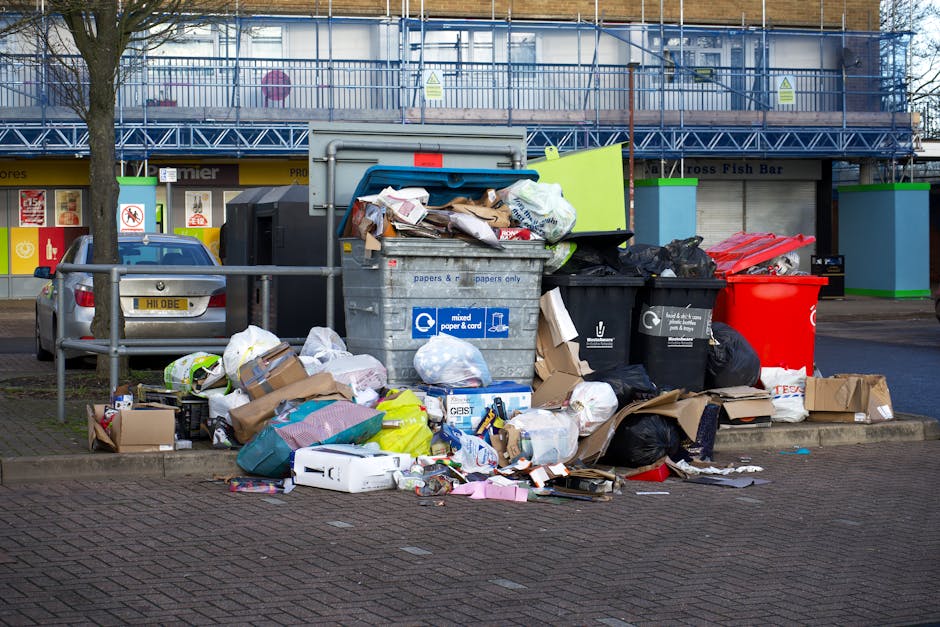
Common Mistakes to Avoid
Most surprise charges are not random. They usually follow a few predictable mistakes.
- Booking on price alone. The cheapest quote often leaves out something useful.
- Under-describing the job. "Just a small collection" can become a different story once the team sees the actual pile.
- Ignoring access details. A quote for ground-floor collection is not the same as one for a third-floor flat with no lift.
- Not asking about exclusions. Certain waste types can be treated differently, especially bulky or specialist items.
- Assuming all rubbish is treated equally. Garden waste, builder's waste, office equipment, and household clutter do not always price the same way.
There's also a human mistake that crops up all the time: leaving the rubbish until the last minute and then booking in a rush. When you're stressed, you're more likely to skim over the details. You say yes too quickly. The quote sounds fine. Then later, not so fine.
If your job is tied to a larger project, it may help to review the local context too. For example, residents near Highbury Fields often juggle parking, access, and timing constraints. A guide like the Highbury Fields rubbish collection guide can be a useful companion read.
Tools, Resources and Recommendations
You do not need complicated software to avoid hidden rubbish charges. A few simple tools are enough.
- Phone camera - take photos of the waste, access routes, and any awkward corners.
- Notes app - list items, approximate volumes, and any special concerns.
- Basic tape measure - useful for large furniture or tight access points.
- Email or text confirmation - keep a written record of what was quoted.
- Provider information pages - look for clear explanations of service scope and payment terms.
For sustainability-minded readers, it can also be helpful to check how a company approaches sorting and disposal. A responsible approach to waste handling can reduce landfill where possible and encourage better reuse or recycling outcomes. If that matters to you, take a look at recycling and sustainability.
And if you want a sense of the team behind the service, about us is worth a look. Not because a nice company page magically guarantees a perfect job - it doesn't - but because it can show whether the business explains itself clearly and behaves in a transparent way.
Law, Compliance, Standards and Best Practice
Waste removal in the UK is not just a matter of hauling things away and hoping for the best. Good operators should understand their duty to handle waste responsibly, transport it properly, and dispose of it through appropriate channels. You do not need to become a compliance expert, but you do need to know the basics.
From a customer point of view, the practical best practices are simple:
- make sure the waste is described accurately
- confirm who is responsible for loading
- check whether the job has any special handling requirements
- ensure you understand the terms before paying a deposit or accepting a booking
- keep a record of the agreed scope and price
Where a provider mentions safety procedures, insurance, or payment handling, that is worth paying attention to. Those details do not eliminate every risk, but they do indicate whether the business is organised. The pages on insurance and safety and payment and security help build that picture.
Best practice also means honesty on both sides. If you suspect the waste pile is larger than first thought, say so. If access is awkward, say so. A straightforward conversation before collection is much cheaper than a dispute after collection. Simple, but true.
Options, Methods, or Comparison Table
Here's a practical comparison of the main ways rubbish charges can show up, and what to watch for.
| Pricing approach | How it usually works | Potential hidden charge risk | What to ask |
|---|---|---|---|
| Volume-based quote | You pay according to how much space the waste takes in the vehicle | Extra charge if the load turns out bigger than described | How is volume assessed, and what happens if the pile changes on arrival? |
| Item-based quote | You pay for named items or categories | Fees for awkward, heavy, or non-standard items | Are mattresses, appliances, or rubble included? |
| Labour-based quote | The work is priced around loading, carrying, and time on site | Stairs, distance, or delays can increase the bill | What access conditions are included in the price? |
| Fixed all-in quote | A stated price covers the agreed job scope | Still may exclude extra items or changed circumstances | What exactly is covered, and what would trigger a revision? |
In many real-world jobs, the best option is the one that is clearest rather than the one that sounds cleverest. Fixed quotes are often the most reassuring, but only if the scope is properly defined. Otherwise, a "fixed" price can still wobble around at the edges.
Case Study or Real-World Example
Imagine a Highbury resident clearing a first-floor flat after a move. There's a worn sofa, a double mattress, four bags of mixed household waste, and a small dismantled wardrobe. The first quote sounds attractive. Then the provider asks whether there are stairs, whether parking is available, and whether the mattress is soiled. Suddenly the job is no longer "simple."
Now compare that with a clearer approach. The resident sends photos, explains that the flat is one flight up, mentions the narrow stairwell, and confirms that the waste will be ready by the door. The provider gives a quote that spells out loading, disposal, and any likely extras before the visit. No guessing. No drama. Just a cleaner handover.
The difference is not just price. It is predictability. And predictability matters a lot when you are already managing keys, cleaners, handover timings, or a moving van that always seems to arrive earlier than promised. Funny how that works, isn't it?
This is also where local knowledge helps. In a neighbourhood like Highbury, a job can be perfectly straightforward in principle and still complicated in practice because of parking, access, or building layout. That is why a good quote should reflect both the waste itself and the setting around it.
Practical Checklist
Use this checklist before you accept any rubbish collection quote in Highbury.
- Have I described the waste clearly and honestly?
- Have I shared photos where helpful?
- Do I know whether the price includes loading and disposal?
- Have I checked if stairs, distance, or difficult access will cost extra?
- Have I asked about any special items or heavier materials?
- Do I understand how parking or waiting time is handled?
- Is the quote written down or confirmed by message/email?
- Have I checked the company's terms and safety information?
- Does the service type match my job: collection, waste removal, house clearance, office clearance, or garden waste?
- Am I happy that the price is clear enough to proceed?
Expert summary: If a quote is vague, assume the final bill may not be friendly. If it is clear, specific, and backed up in writing, you are already in a much better position.
Conclusion
Avoiding hidden rubbish charges in Highbury comes down to one thing: clarity. The more accurately you describe the job, the easier it is to compare quotes and spot any surprise fees before they land on the invoice. That means looking beyond the headline price and checking what is really included - labour, access, disposal, special items, and any likely extras.
Whether you're clearing a flat, tidying a garden, emptying an office, or dealing with builders' waste, a bit of preparation pays off. Take photos, ask direct questions, keep the quote in writing, and do not be embarrassed to request a proper breakdown. That is not being difficult. It is being sensible.
If you want to reduce the chances of last-minute charges and get a clearer sense of what your job should cost, start with a proper quote and a service that explains itself well. The process should feel straightforward, not like solving a puzzle before breakfast.
Get a free quote today and see how much you can save.
 Tipper Van - Rubbish Collection and Garden Waste Disposal Prices in Highbury, N5
 Luton Van - Rubbish Collection and Garden Waste Disposal Prices in Highbury, N5